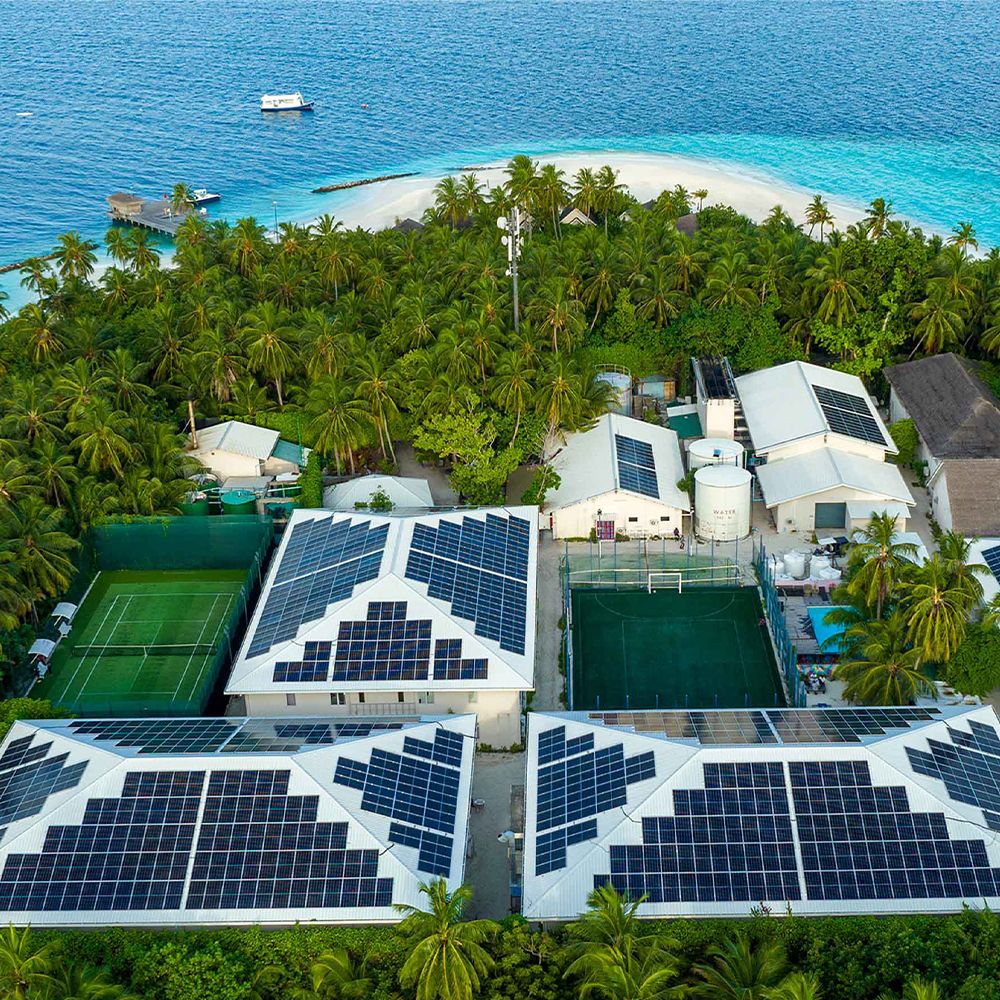
Hybird Solar Solution
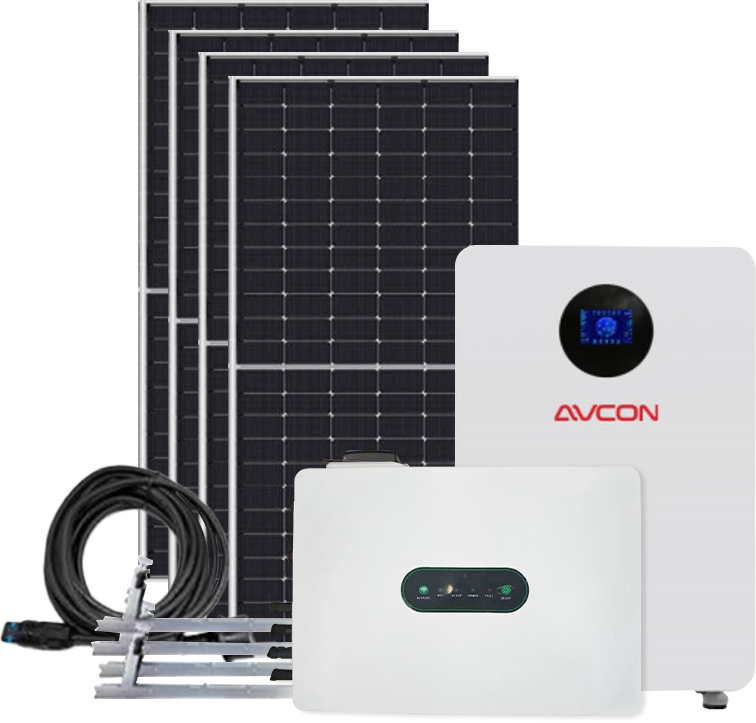
2.4 KWP
4pcs 610W Bifacial Solar Panels
2.4 kW Hybrid Inverter
5 kWh Battery
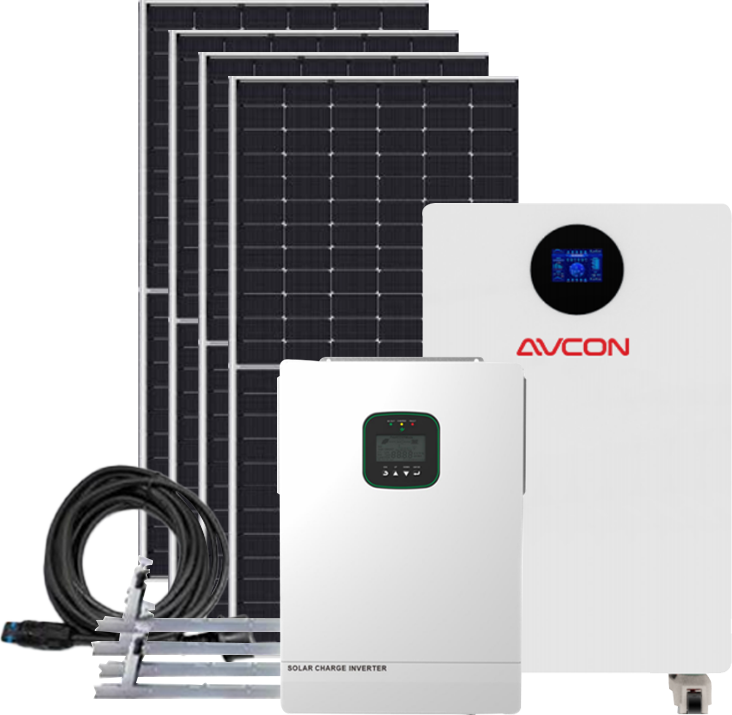
6 KWP
10pcs 610W Bifacial Solar Panels
6 kW Hybrid Inverter
16 kWh Battery
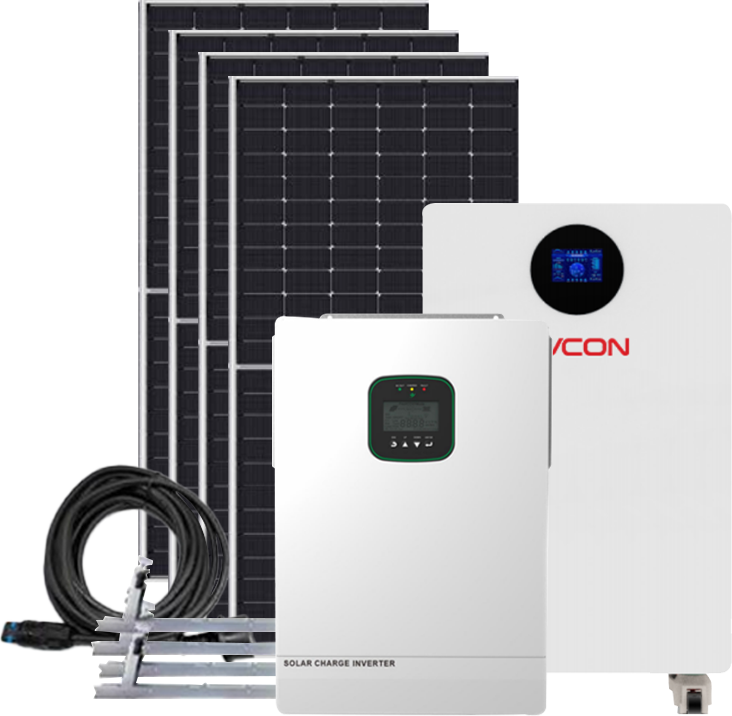
12 KWP
20pcs 610W Bifacial Solar Panels
12 kW Hybrid Inverter
16 kWh Battery
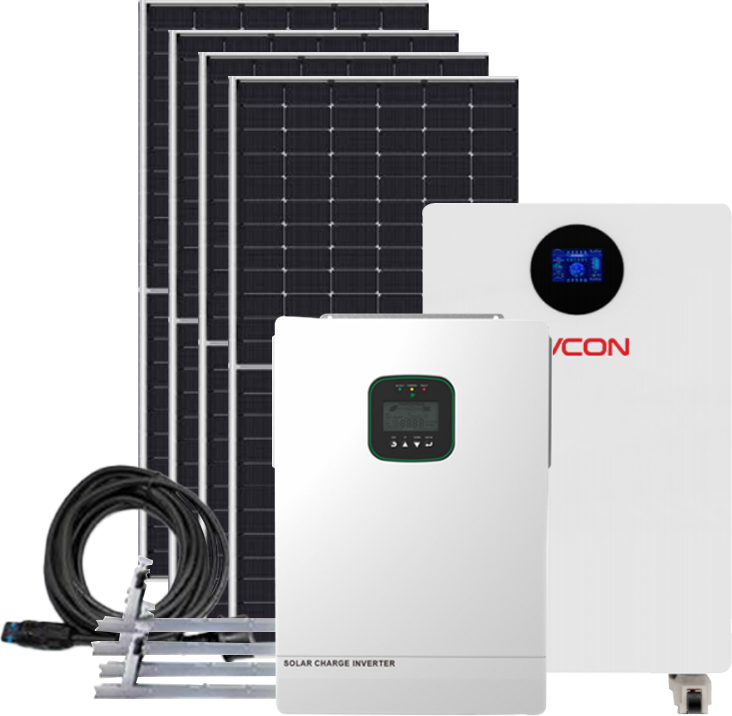
24 KWP
40pcs 610W Bifacial Solar Panels
2pcs 12 kW Hybrid Inverter
3pcs 16 kWh Battery
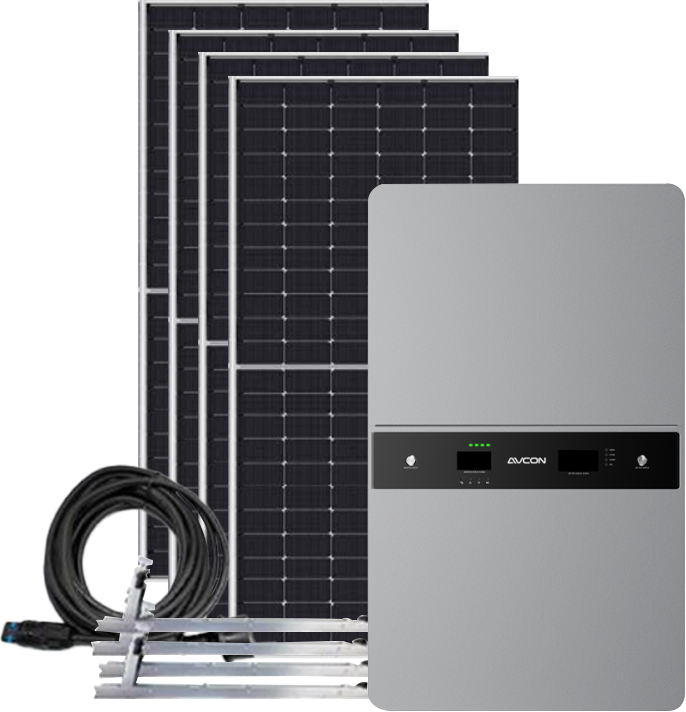
5 KWP
8pcs 610W Bifacial Solar Panels
5-Degree Electricity Integrated Machine
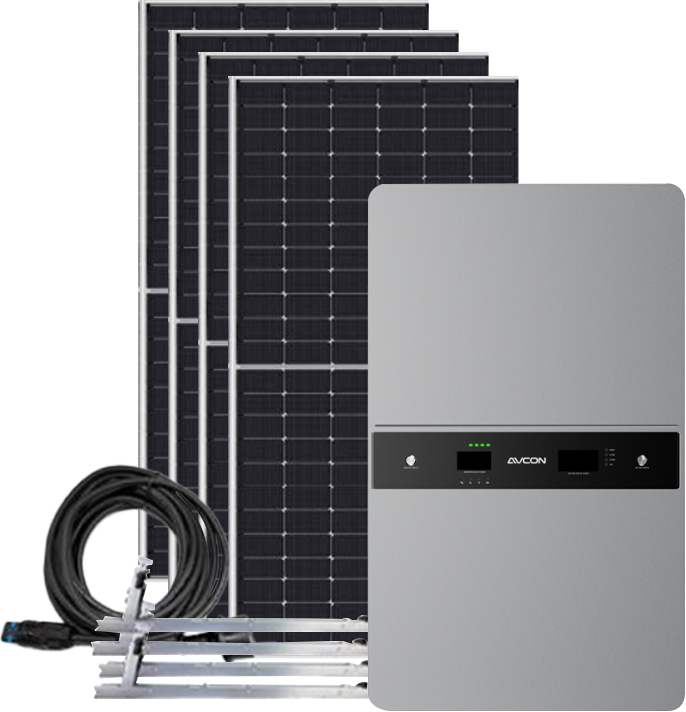
15 KWP
8pcs 610W Bifacial Solar Panels
15 kW Hybrid Inverter
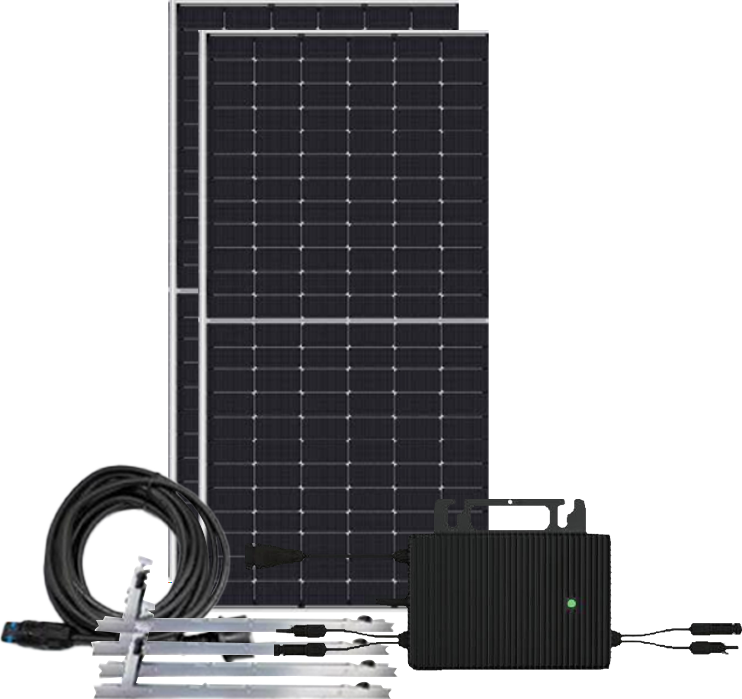
1.2 KWP
2pcs 610W Bifacial Solar Panels
1.2kW Micro Inverter
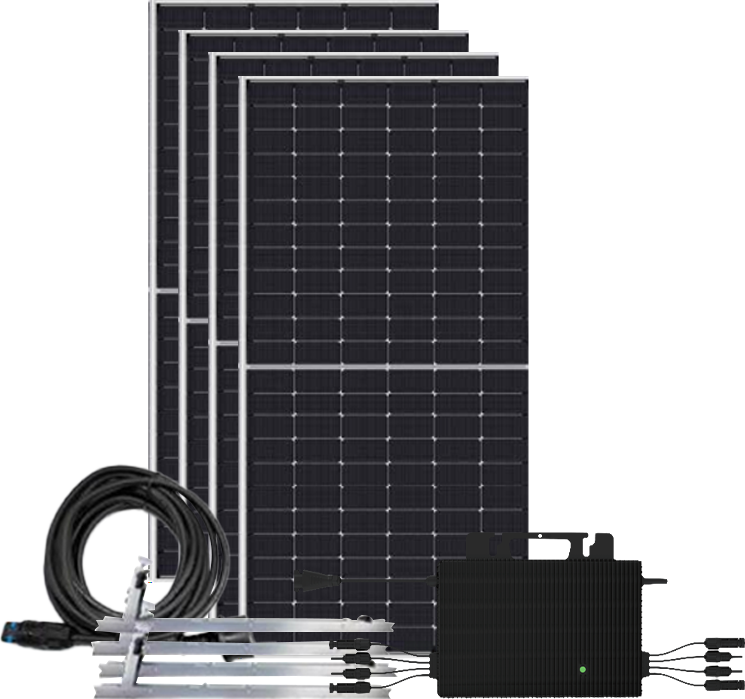
2.4 KWP
4pcs 610W Bifacial Solar Panels
2.4kW Micro Inverter
I. BOT (Build-Operate-Transfer) Model: An Enterprise-Led Infrastructure Implementation Path
BOT (Build-Operate-Transfer) takes "enterprise investment and construction, authorized operation and income, and free transfer upon expiration" as its core logic, and is a mature path for social capital to participate in public energy infrastructure. Its complete process usually includes three stages:
first, the enterprise obtains the project concession right through government bidding or negotiation, and fully undertakes all work such as project survey and design, equipment procurement, engineering construction and preliminary approval to ensure the project meets national energy standards and environmental protection requirements;
second, after the project is completed and connected to the grid, the enterprise obtains a concession operation period of 5-30 years (determined according to the project type and scale), and recovers investment and obtains reasonable profits by collecting on-grid electricity fees, enjoying national and local new energy subsidies, and participating in carbon trading;
finally, after the end of the operation period, the enterprise must transfer all project assets (including the main power station, power transmission equipment, operation and maintenance system and related technical materials) to the government free of charge to ensure the continuous service capacity of public energy assets.
The core advantage of this model lies in the "clear division of labor between government and enterprises" - the government does not need to bear huge investment pressure, but only needs to provide policy support and supervision guarantees; enterprises can rely on their technical, capital and operational advantages to promote project implementation efficiently. It is especially suitable for large-scale centralized new energy infrastructure led by the government, such as 100,000-kilowatt-level photovoltaic bases, cross-regional wind power projects, and pumped storage power stations.
II. PPP (Public-Private Partnership) Model: A Diversified Cooperation Framework for Risk Sharing
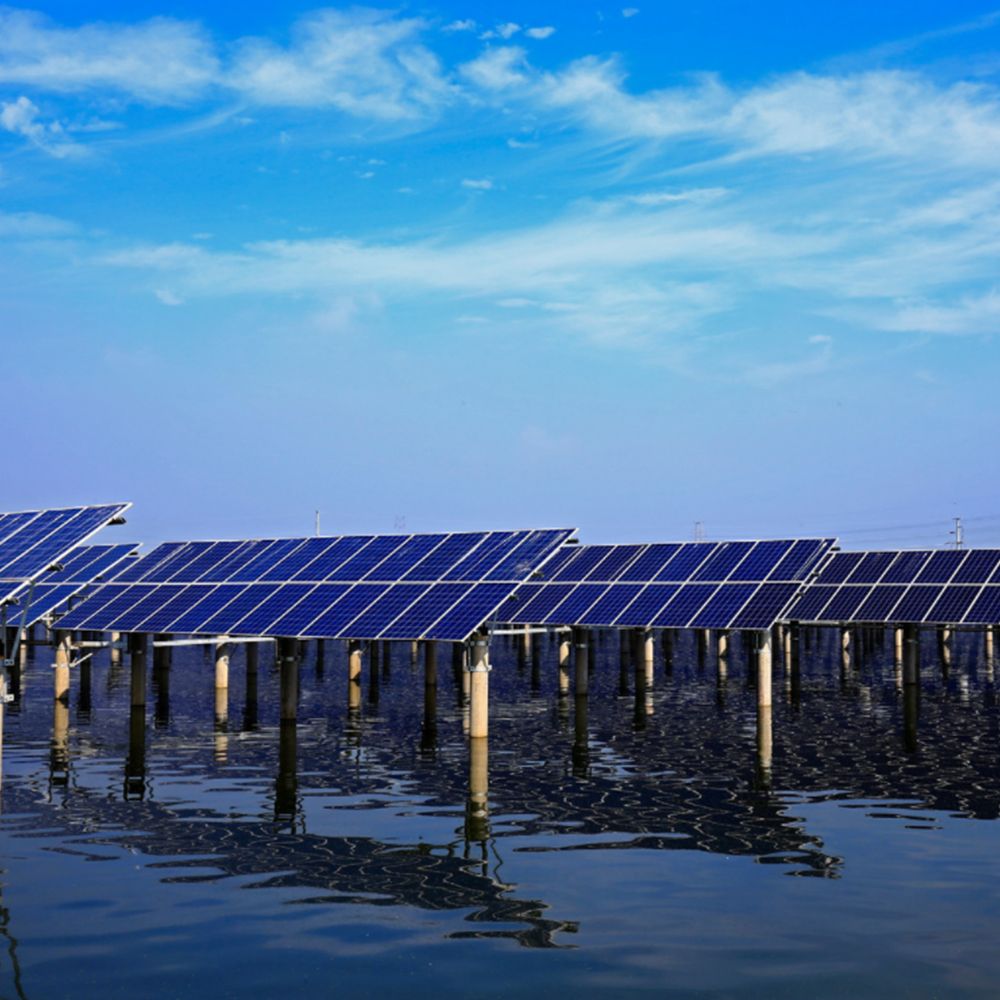
PPP (Public-Private Partnership) is a new type of cooperative relationship established between the government and social capital based on the principles of "risk sharing, benefit sharing, and long-term cooperation", breaking the limitation of "single-party investment by enterprises" in the BOT model. In new energy projects, the cooperation mechanism is usually manifested as: the government and enterprises jointly invest in the establishment of a special purpose vehicle (SPV), where the government's investment ratio is generally 10%-30% (mainly playing a guiding role), and the enterprise bears the remaining investment and the specific operation and management of the project; both parties jointly carry out feasibility studies and policy docking in the early stage of the project, jointly supervise project quality and progress during the construction stage, distribute benefits (such as electricity revenue, subsidy revenue, etc.) in accordance with the agreed ratio during the operation stage, and share risks such as policy changes, cost overruns, and insufficient power consumption in accordance with the investment ratio or agreement. Compared with the rigid requirement of "must transfer upon expiration" in BOT, the exit and transfer methods of PPP projects can be flexibly designed according to cooperation agreements. PPP is particularly suitable for new energy projects with both public welfare attributes and commercial value, such as urban distributed photovoltaic power stations, new energy microgrids, and integrated energy service projects.
III. PPA (Power Purchase Agreement): The "ballast" for revenue in renewable energy projects
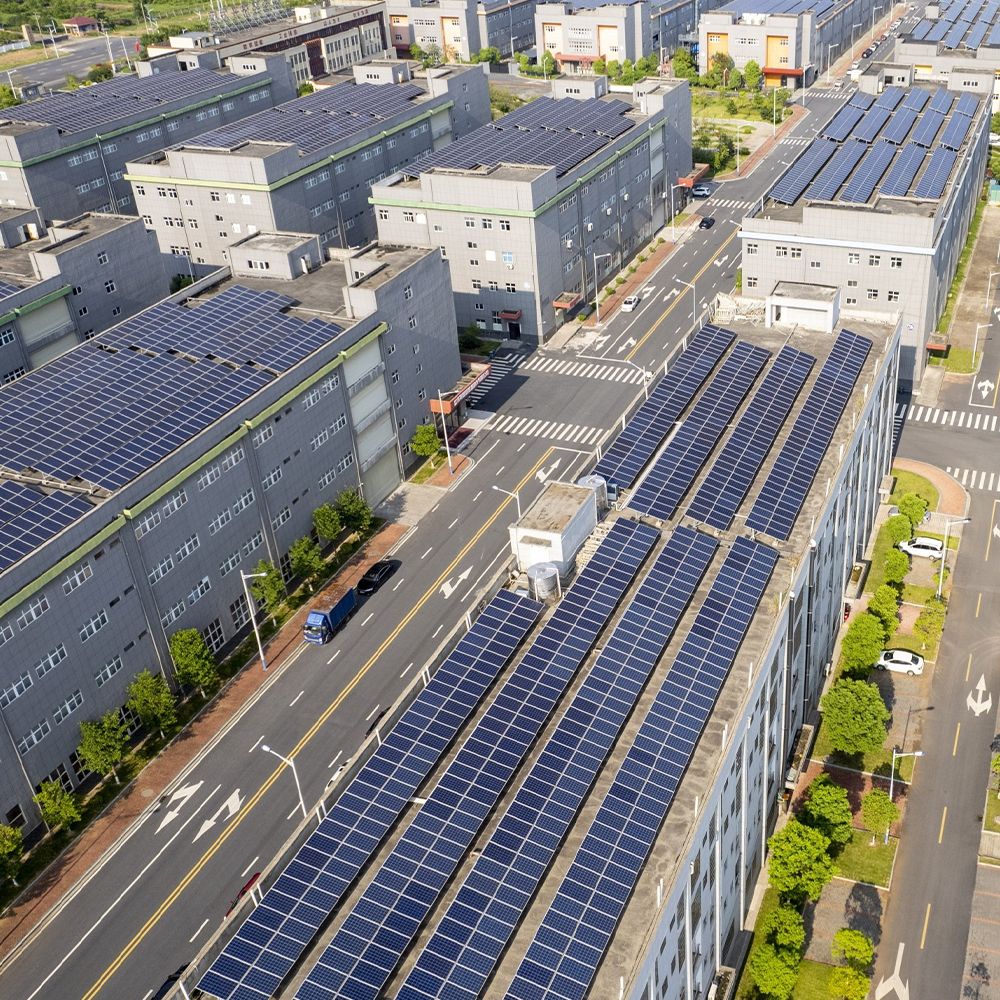
PPA (Power Purchase Agreement) is not a project construction model, but a core guarantee document for the stability of new energy project revenue, known as ""the financial lifeline of the project"". It is a long-term contract signed between the power generator (new energy project company) and the power purchaser (power grid company, large users, power sales company, etc.), and its core terms directly determine the investment return capacity of the project.
In addition to the basic power purchase price and power purchase volume, the PPA will also clarify the following key contents: first, the electricity price adjustment mechanism; second, the power volume guarantee clause; third, force majeure and liability for breach of contract. PPA is a prerequisite and core support for the smooth advancement of new energy projects such as BOT and PPP. According to different power purchasers, PPA is mainly divided into two types: one is the ""guaranteed purchase PPA"" signed with the power grid company; the other is the ""direct power purchase PPA"" signed with large users such as industrial enterprises and data centers. In recent years, with the development of the green power market, ""green power PPA"" signed with power sales companies has also appeared, which further enhances the added value of the project by bundling renewable energy certificates (REC) for sales.